(13 May 2016)

On this hottest day of the heatwave
I cycled round the peninsula
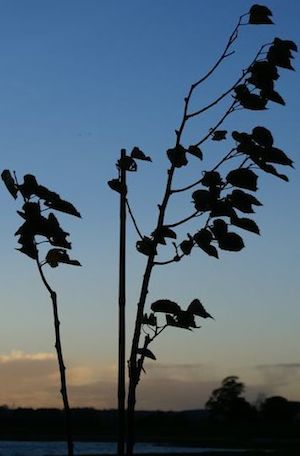
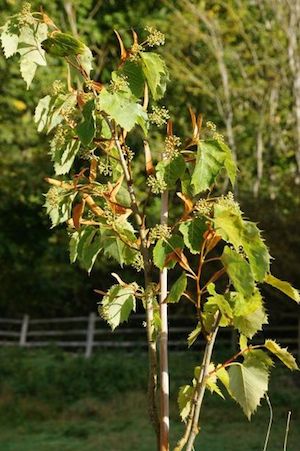
to your tree. Its buds are swelling
now and almost set to burst.
Somewhere among its roots, a portion
of your ashes, your silver Om,
and Jane's sprig of rosemary
for remembrance. The woods
around are mostly green, and
everywhere the songbirds sing
their hearts out — or puff their
breasts and brag, and threaten
rival males with bloody violence.
I used to rely on you to tell
me what we heard and what
we saw. In Swithland Woods
I recall you teaching me how to spot
a goldcrest's song, impossibly thin
and high among the treetops.
But look at me now — you'd be amazed
at my powers of identification:
three days ago on Beacon Hill
I heard one for myself, then saw
it briefly flit between the trees.
And that's not all: today a long
list of woodland birds has
clamoured to be heard, and I
tagged them nearly all by name.
That scratchy, wheezy trill —
blackcap or garden warbler?
This one's clear: the tone
of a blackbird, but reciting
haikus, not making conversation;
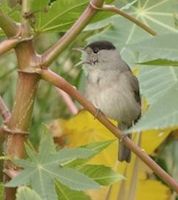
a definite blackcap. And look,
it shows itself shyly in the hedge.
That opinionated burst: a wren,
while this mournful robin
reminds me that all things do
pass. It was another robin, lilting sadly
from that tangled patch of ivy
one February day, that marked out this spot
for your bench and shading tree.
But it's not just birds. I relied
on you for wildflowers too.
Today, lacking your country lore
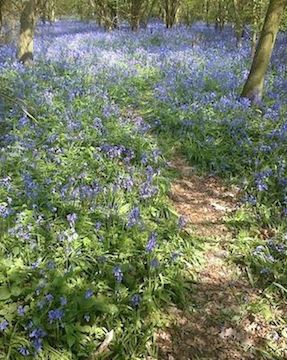
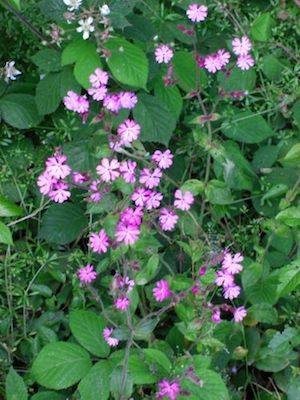
I still get by. Here the bluebells
still carpet the shadier woods
on the south side, while to the
north pink campions have begun
to nudge them into retirement.
This yearly cycle of change
now in its tenth turn since
last you saw it. Other lives
have peaked and ended too,
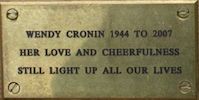
just as yours did. Your bench
with its little brass plate
has new neighbours. The newest
I found lies right at the far
tip of the peninsula, where the
little road, always quiet, now plunges
deep into the lake. Now only ghosts
walk across the valley to the church
on Sunday mornings, and even they must
swim part of the way. On this bench
by its tiny beach, a brass plate
gleams fresh grief for a woman
only two years older than you
when she died. Another, further
up the track, is regularly polished
to a fresh shine. Someone has
planted little flower beds, primrose
and geraniums, assorted bedding plants.
They're always bright, whatever
the time of year. I think of your snowdrops
and daffodils that the sheep eat,
how dull and tarnished is
your brass, and against the Buddha's
advice I make comparisons. But
I know it's really not the neglect
that it seems. You liked Andy
Goldsworthy, so I hope you'd
want to return to nature, just a
little. I polish other facets
of your memory instead. And
anyway, I still strive to fulfil
your dying instruction: life
is to live! You also told me
not to be sad for too long,
but that one's harder. Sadness
comes without warning, like a
shark from a clear blue sea,
and tugs you down into the dark.
You'd say: come on, pull yourself
together! I cycle on, remembering.
You wanted your ashes to nourish
the roots of your tree. Typically
pragmatic. Once in hospital, there
was talk of a transfusion —
you said you wanted biker's
blood, not accountant's.
That blood never came, you slipped
away too soon. And strangely,
so did your first two trees.
I had settled on oak, alluding
to some sturdy English
cliché. Alas, those native trees
had accountant's milk for sap,
not biker's oil. But now
this small-leaved Chinese lime
is growing sweet and true.
You'd laugh: your memorial
makes a geopolitical comment.
I make a mental note to come back
one warm spring evening with brasso,
wood oil and secateurs. I'll likely
meet one of the bereaved who tend
the other benches. This is
a little garden of departed souls.
But then, so is the whole
world. We who survive
pursue our lives among the whispers
of all we've lost. My bike jingles
along the track to the sound
of your bear-bell, velcro-strapped
to my handlebar as it once was
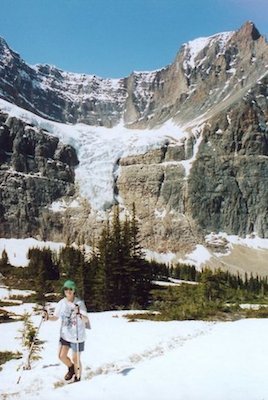
to yours. You bought it in Canada
to deter the grizzlies when we hiked
the Rockies. Somehow
I don't think it'll work on English
nettles, and I can't see any other
threats along the track. Except
our ever-present mortality.
Soon after you died, I read
Ted Hughes. He and Sylvia
were always favourites of yours,
though you wondered if perhaps
he'd bullied her into suicide.
But as I read, I understood
that, whatever the facts of
their relationship, he truly
loved her to the end of his life.
He wrote that she went through him
like a bullet, left him holding only
a wisp of her hair and some
meaningless possessions, heavily
freighted with meaning by
her death. I was luckier by
far. You found me out at sea,
neither waving nor drowning,
simply lost and directionless.
As you tore yourself free
from a loveless marriage,
you caught me up in your wake.
For thirty years that wave of love
swept us along together, until
one day I watched you hit a reef
and disappear. We neither of us
believed in resurrection. But
still, I caught so much more of you
than I can ever describe or define.
16 May 2016
I cycled round the peninsula
to your tree. Its buds are swelling
now and almost set to burst.
Somewhere among its roots, a portion
of your ashes, your silver Om,
and Jane's sprig of rosemary
for remembrance. The woods
around are mostly green, and
everywhere the songbirds sing
their hearts out — or puff their
breasts and brag, and threaten
rival males with bloody violence.
I used to rely on you to tell
me what we heard and what
we saw. In Swithland Woods
I recall you teaching me how to spot
a goldcrest's song, impossibly thin
and high among the treetops.
But look at me now — you'd be amazed
at my powers of identification:
three days ago on Beacon Hill
I heard one for myself, then saw
it briefly flit between the trees.
And that's not all: today a long
list of woodland birds has
clamoured to be heard, and I
tagged them nearly all by name.
That scratchy, wheezy trill —
blackcap or garden warbler?
This one's clear: the tone
of a blackbird, but reciting
haikus, not making conversation;
a definite blackcap. And look,
it shows itself shyly in the hedge.
That opinionated burst: a wren,
while this mournful robin
reminds me that all things do
pass. It was another robin, lilting sadly
from that tangled patch of ivy
one February day, that marked out this spot
for your bench and shading tree.
But it's not just birds. I relied
on you for wildflowers too.
Today, lacking your country lore
I still get by. Here the bluebells
still carpet the shadier woods
on the south side, while to the
north pink campions have begun
to nudge them into retirement.
This yearly cycle of change
now in its tenth turn since
last you saw it. Other lives
have peaked and ended too,
just as yours did. Your bench
with its little brass plate
has new neighbours. The newest
I found lies right at the far
tip of the peninsula, where the
little road, always quiet, now plunges
deep into the lake. Now only ghosts
walk across the valley to the church
on Sunday mornings, and even they must
swim part of the way. On this bench
by its tiny beach, a brass plate
gleams fresh grief for a woman
only two years older than you
when she died. Another, further
up the track, is regularly polished
to a fresh shine. Someone has
planted little flower beds, primrose
and geraniums, assorted bedding plants.
They're always bright, whatever
the time of year. I think of your snowdrops
and daffodils that the sheep eat,
how dull and tarnished is
your brass, and against the Buddha's
advice I make comparisons. But
I know it's really not the neglect
that it seems. You liked Andy
Goldsworthy, so I hope you'd
want to return to nature, just a
little. I polish other facets
of your memory instead. And
anyway, I still strive to fulfil
your dying instruction: life
is to live! You also told me
not to be sad for too long,
but that one's harder. Sadness
comes without warning, like a
shark from a clear blue sea,
and tugs you down into the dark.
You'd say: come on, pull yourself
together! I cycle on, remembering.
You wanted your ashes to nourish
the roots of your tree. Typically
pragmatic. Once in hospital, there
was talk of a transfusion —
you said you wanted biker's
blood, not accountant's.
That blood never came, you slipped
away too soon. And strangely,
so did your first two trees.
I had settled on oak, alluding
to some sturdy English
cliché. Alas, those native trees
had accountant's milk for sap,
not biker's oil. But now
this small-leaved Chinese lime
is growing sweet and true.
You'd laugh: your memorial
makes a geopolitical comment.
I make a mental note to come back
one warm spring evening with brasso,
wood oil and secateurs. I'll likely
meet one of the bereaved who tend
the other benches. This is
a little garden of departed souls.
But then, so is the whole
world. We who survive
pursue our lives among the whispers
of all we've lost. My bike jingles
along the track to the sound
of your bear-bell, velcro-strapped
to my handlebar as it once was
to yours. You bought it in Canada
to deter the grizzlies when we hiked
the Rockies. Somehow
I don't think it'll work on English
nettles, and I can't see any other
threats along the track. Except
our ever-present mortality.
Soon after you died, I read
Ted Hughes. He and Sylvia
were always favourites of yours,
though you wondered if perhaps
he'd bullied her into suicide.
But as I read, I understood
that, whatever the facts of
their relationship, he truly
loved her to the end of his life.
He wrote that she went through him
like a bullet, left him holding only
a wisp of her hair and some
meaningless possessions, heavily
freighted with meaning by
her death. I was luckier by
far. You found me out at sea,
neither waving nor drowning,
simply lost and directionless.
As you tore yourself free
from a loveless marriage,
you caught me up in your wake.
For thirty years that wave of love
swept us along together, until
one day I watched you hit a reef
and disappear. We neither of us
believed in resurrection. But
still, I caught so much more of you
than I can ever describe or define.
16 May 2016
Your special talent for sleeping
Up to
Contents page